
 By Elina
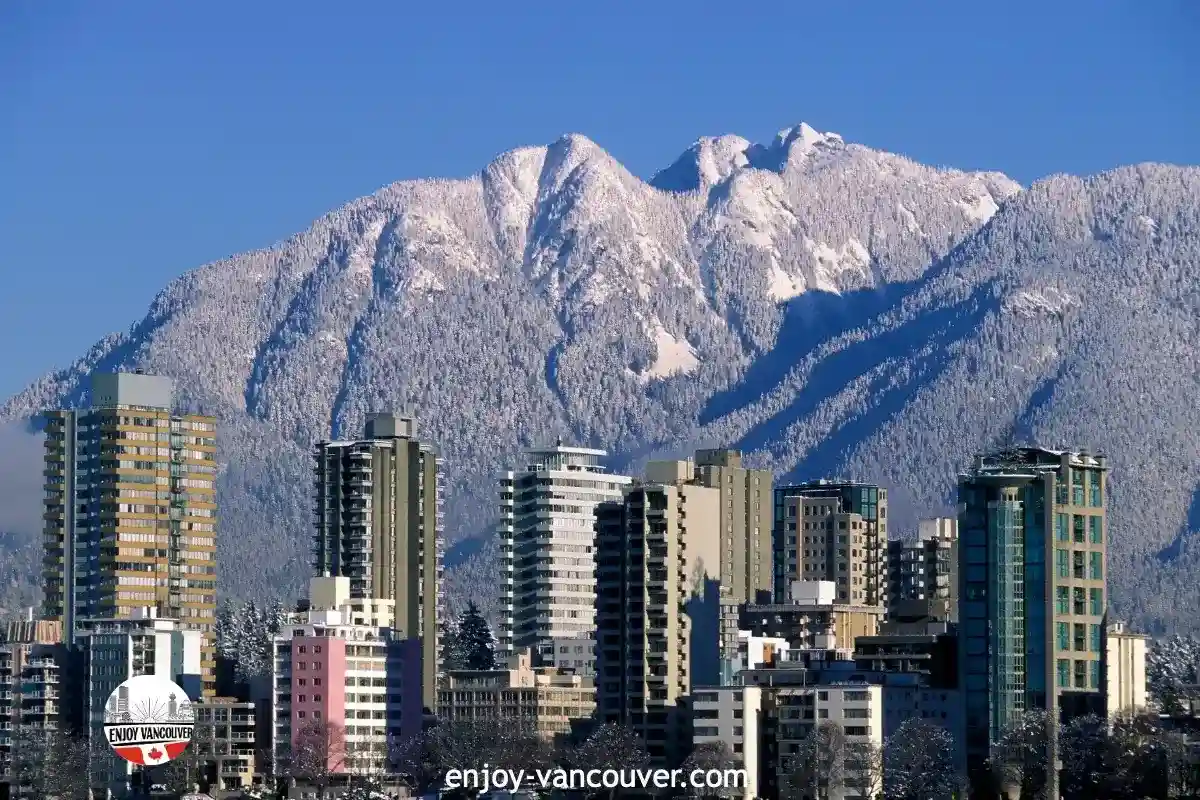
Vancouver in winter offers a different kind of Canadian travel experience. Instead of months of deep snow and freezing temperatures, visitors usually find a mild coastal city with rainy streets, green parks, and snow-covered mountains in the distance.
That contrast is part of Vancouver’s appeal. You can explore waterfront neighbourhoods, visit museums and cafés, enjoy seasonal events, and head into the mountains for skiing or snowshoeing when conditions allow.
However, planning a winter trip requires understanding the weather. Rain is more common than snow in the city, daylight is limited, and mountain conditions can be dramatically colder than downtown Vancouver.
This guide explains what to expect from December through February, what to pack, how to prepare for rainy days, and how to plan a comfortable winter visit.
Vancouver in Winter: Quick Travel Guide
| Travel Detail | What to Expect |
|---|---|
| Winter months | December, January, and February |
| Typical city temperatures | Approximately 0°C to 8°C (32°F to 46°F) |
| Most common winter weather | Rain, clouds, damp conditions, and occasional clear days |
| Snow in downtown Vancouver | Possible, but less frequent than rain |
| Snow in nearby mountains | Common during the winter season, depending on conditions |
| Most important clothing | Waterproof jacket, warm layers, and waterproof footwear |
| December highlight | Christmas lights, holiday markets, and festive activities |
| January highlight | Quieter city sightseeing and winter mountain activities |
| February highlight | Longer daylight hours and winter activities |
| Getting around | SkyTrain, SeaBus, buses, walking, and occasional car rentals |
These are general seasonal expectations, not a forecast for a specific travel date. Always check current weather and operating conditions before your trip.
What Is Vancouver Like in Winter?
Vancouver has a temperate coastal climate, making its winters relatively mild compared with many other Canadian cities.
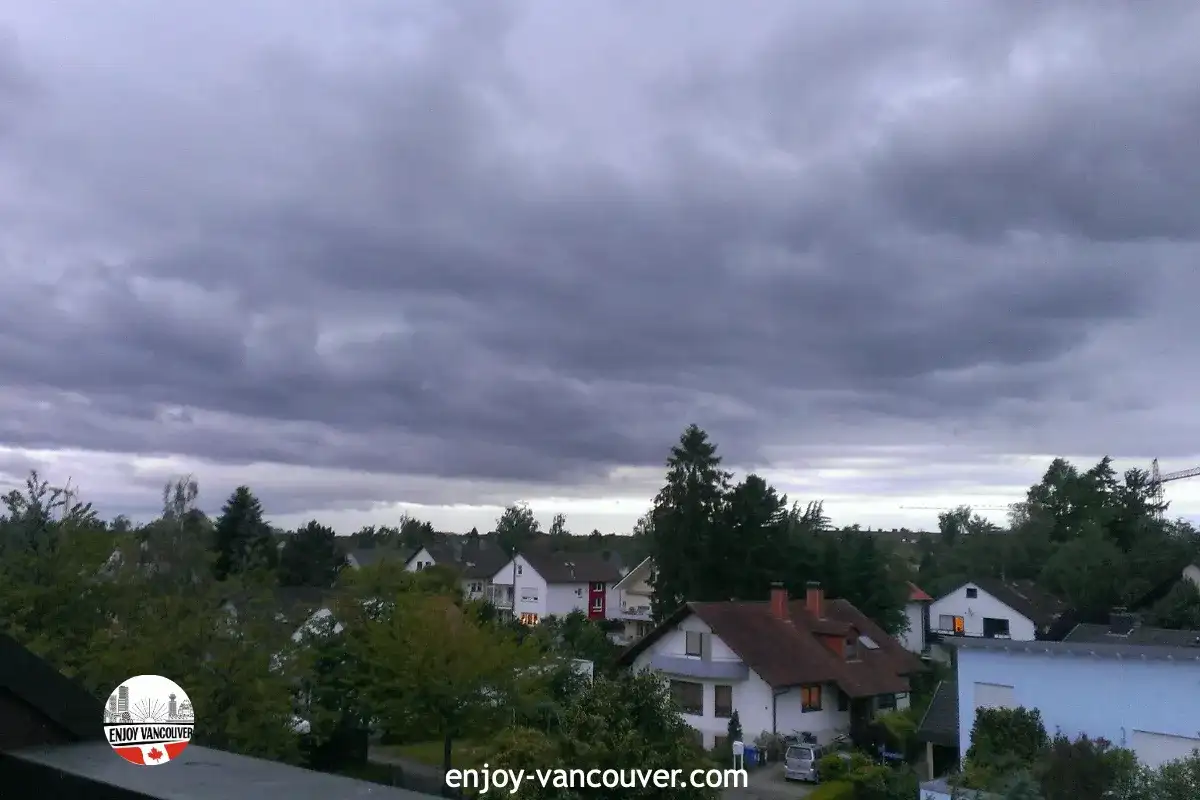
Most days in the city are cool rather than extremely cold. You might experience steady rain in the morning, a cloudy afternoon, and a short period of sunshine before sunset.
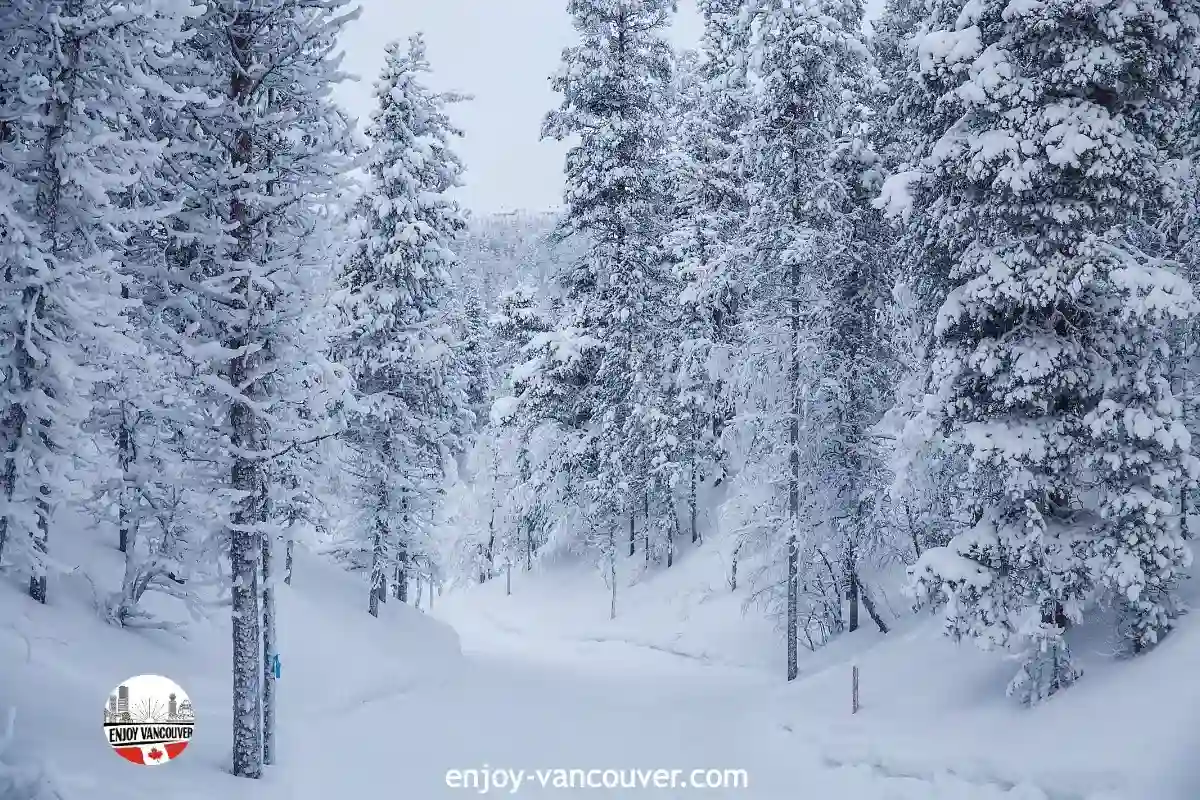
Snowfall does happen, but it is not something visitors should expect every day. Some winters bring disruptive snowstorms, while others have relatively little lasting snow at sea level.
The nearby North Shore mountains are different. Higher elevations experience colder temperatures and much more snow, creating opportunities for winter sports within reach of the city.
For travellers, the key is flexibility. Vancouver’s winter weather rarely means you must stay indoors all day, but it helps to have both outdoor and indoor activities planned.
Vancouver Winter Weather by Month
Although December, January, and February share similar weather patterns, there are differences worth considering when choosing your travel dates.
The temperature figures below are rounded from the 1991–2020 climate normals for Vancouver International Airport, published by Environment and Climate Change Canada. Conditions in downtown neighbourhoods and higher elevations may differ.
| Month | Average High | Average Low | Typical Conditions |
|---|---|---|---|
| December | 6.6°C / 44°F | 1.2°C / 34°F | Wet, short days, festive atmosphere |
| January | 6.8°C / 44°F | 1.4°C / 35°F | Cool, rainy, with a possibility of snow |
| February | 7.9°C / 46°F | 1.5°C / 35°F | Still damp, but gradually brighter |
December: Rainy Days and Christmas Atmosphere
December is an appealing month for travellers who enjoy seasonal decorations, Christmas markets, illuminated gardens, and festive waterfront experiences.
It is also one of Vancouver’s wettest months. Expect frequent rain and bring waterproof clothing, even if the forecast looks relatively mild.
Daylight is particularly limited around the winter solstice, with roughly eight hours between sunrise and sunset. Plan scenic walks and photography earlier in the day, leaving indoor activities and illuminated attractions for the evening.
December is a good choice for visitors who prioritize holiday experiences rather than guaranteed snow.
Explore our Best Christmas Lights in Vancouver guide for seasonal displays, locations, and admission information.
January: Cool Weather and Winter Adventures
January is another cool, wet month in Vancouver. Temperatures may occasionally fall below freezing, particularly overnight or during cold spells.
After the busy Christmas and New Year period, the city can feel quieter, making January appealing for visitors interested in museums, neighbourhood exploration, dining, and a more relaxed travel schedule.
For winter sports enthusiasts, January can be a good time to consider mountain activities. However, snow quality, resort openings, and weather conditions vary from year to year.
Always check official mountain reports before booking a ski day.
February: Longer Days and Flexible Sightseeing
February remains a winter month, with regular rainfall and chilly mornings. However, average daytime temperatures begin to rise slightly, and daylight hours increase as spring approaches.
It can be a useful month for combining urban sightseeing with mountain excursions. You may experience rain downtown while nearby ski areas still have winter conditions.
February is also a good time to enjoy indoor cultural attractions, cafés, and neighbourhoods without relying entirely on outdoor weather.
Does It Snow in Vancouver in Winter?
Yes, Vancouver gets snow, but rain is much more common in the city.
Because Vancouver sits close to sea level and is influenced by the Pacific Ocean, temperatures often remain above freezing. Snow that falls downtown may melt relatively quickly, although significant snow events can occasionally disrupt roads, transit, and flights.
Visitors should not assume that Vancouver will look like a snow-covered winter destination throughout December, January, or February.
Where Can You Find Snow Near Vancouver?
Travellers looking for snowy scenery and winter recreation can explore the mountains north of the city.
Popular mountain destinations include:
- Grouse Mountain: Known for mountain views and seasonal winter activities.
- Cypress Mountain: Offers skiing, snowboarding, and other winter recreation when conditions permit.
- Mount Seymour: A destination for winter sports and mountain scenery.
- Whistler: A larger mountain resort destination north of Vancouver, suitable for a dedicated day trip or overnight stay.
Mountain weather changes quickly. Snow, wind, poor visibility, and road conditions may affect access and available activities.
Before travelling, check the destination’s official website, current snow report, and any applicable safety advisories.
How Much Does It Rain in Vancouver During Winter?
Rain is one of the most important things to prepare for when visiting Vancouver in winter.
According to Destination Vancouver, the city receives approximately 1,100 to 1,400 millimetres of rain annually, with winter among the wettest parts of the year.
Rain does not necessarily mean continuous heavy downpours. You may experience light drizzle, intermittent showers, steady rain, and dry intervals on the same day.
However, damp sidewalks, puddles, and wet clothing can make sightseeing uncomfortable if you are not properly equipped.
How to Enjoy Vancouver When It Rains
Instead of cancelling every outdoor plan, adjust your schedule around the weather.
- Choose shorter outdoor walks when showers are expected.
- Visit indoor attractions during periods of heavier rain.
- Wear a waterproof outer layer rather than relying on an umbrella alone.
- Allow time for shoes and clothing to dry between outings.
- Keep a flexible activity or reservation available as a backup.
Waterfront areas can also feel colder when wind accompanies the rain, so an additional insulating layer may be useful.
For more indoor ideas, read our Things to Do in Vancouver on a Rainy Day guide.
What to Pack for Vancouver in Winter
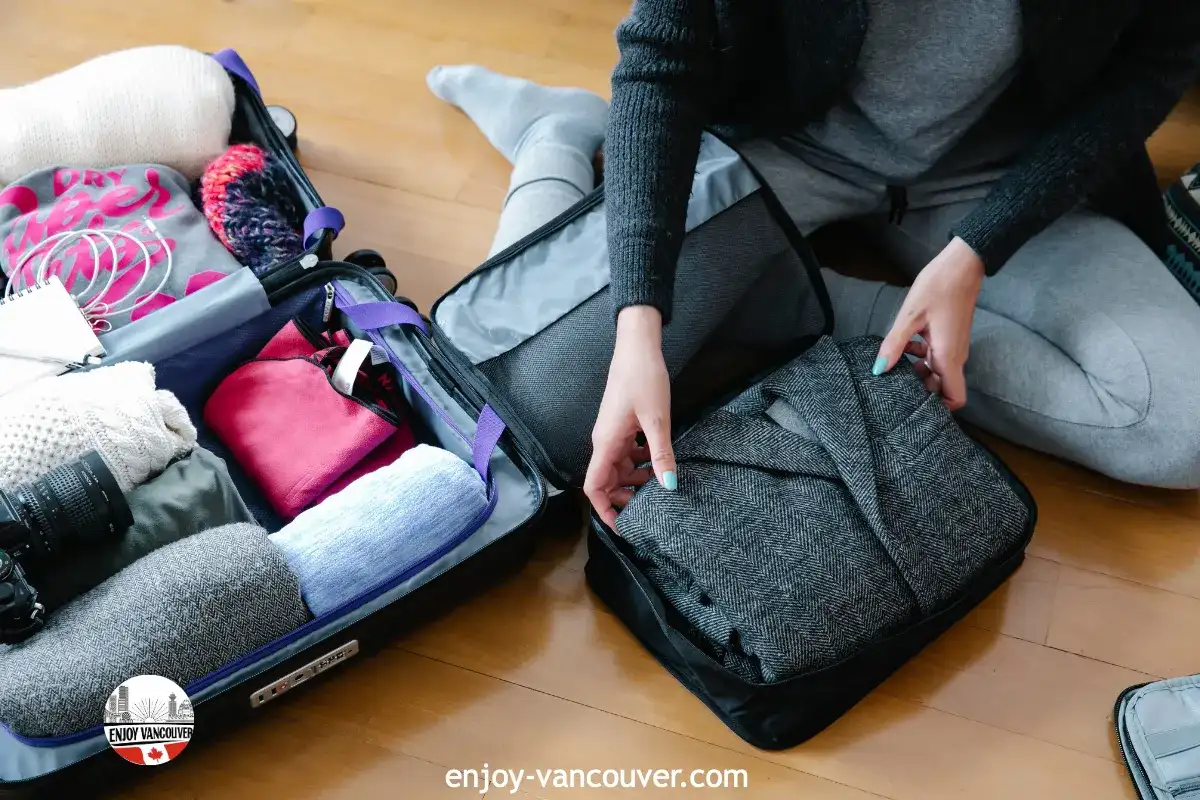
The best way to pack for Vancouver’s winter weather is to prioritize waterproof protection, comfortable layers, and practical footwear.
Unlike destinations with consistently extreme cold, Vancouver often requires clothing that can handle changing temperatures, rain, and movement between outdoor and heated indoor spaces.
Essential Vancouver Winter Packing List
| Item | Why You Need It | Priority |
|---|---|---|
| Waterproof jacket with hood | Protects against frequent rain and wind | Essential |
| Waterproof walking shoes | Keeps feet dry on wet sidewalks | Essential |
| Warm sweater or fleece | Adds insulation without excessive bulk | Essential |
| Comfortable long pants | Suitable for everyday city sightseeing | Essential |
| Warm socks | Improves comfort during long walks | Essential |
| Gloves and warm hat | Useful during colder mornings and evenings | Recommended |
| Compact umbrella | Helpful during lighter rain | Optional |
| Small daypack | Holds spare layers and personal items | Recommended |
| Portable phone charger | Useful for navigation and long sightseeing days | Recommended |
| Thermal base layers | Useful for colder weather and mountain trips | Activity-dependent |
| Insulated winter boots | Appropriate for snow and mountain activities | Activity-dependent |
How to Dress in Layers
A practical layering system makes it easier to adjust to Vancouver’s changing winter weather.
Base layer: Start with a comfortable shirt or moisture-managing thermal layer. Merino wool or suitable synthetic fabrics can be useful when spending longer periods outdoors.
Middle layer: Add a sweater, fleece, or lightweight insulated jacket for warmth.
Outer layer: Wear a waterproof jacket with a hood to protect against rain and wind.
This approach is often more flexible than wearing one very heavy coat, especially when moving between outdoor sightseeing and indoor attractions.
Do You Need a Heavy Winter Coat?
For ordinary sightseeing in Vancouver, a heavy winter parka is not always necessary. A waterproof shell combined with warm layers is often more practical.
However, visitors who feel the cold easily, plan to spend long periods outside, or expect freezing conditions may appreciate additional insulation.
For skiing, snowshoeing, or other mountain activities, pack equipment and clothing appropriate for genuine winter conditions rather than relying on a city sightseeing outfit.
What Shoes Should You Wear in Vancouver During Winter?
Footwear is one of the most important packing decisions for a Vancouver winter trip.
Because rain and wet sidewalks are common, choose shoes that are comfortable for walking and provide reliable water resistance or waterproof protection.
Good traction is also important, particularly during cold weather when sidewalks may become slippery.
For everyday city exploration, waterproof walking shoes or ankle boots are usually more versatile than heavy snow boots.
If you plan to visit mountain areas, you may need insulated, waterproof boots with appropriate traction for snow and ice. Technical activities may require specialized equipment.
How to Plan a Winter Trip to Vancouver
Winter travel in Vancouver works best when you plan around the weather rather than trying to follow a rigid sightseeing schedule.
1. Choose Your Travel Dates Based on Your Interests
December is a strong choice for holiday lights, Christmas markets, and seasonal atmosphere. January may suit travellers who prefer quieter sightseeing, while February offers gradually increasing daylight.
If skiing or snowboarding is your main reason for visiting, choose dates based on resort conditions and availability rather than assuming every winter week will have identical snow conditions.
2. Book Accommodation Near Convenient Transit
Staying close to a SkyTrain station or a major transit connection can make winter sightseeing easier.
Downtown Vancouver is convenient for many first-time visitors, particularly those planning to explore central neighbourhoods without a car.
Other areas may offer different accommodation options, but compare their proximity to transit, restaurants, and the attractions you want to visit.
3. Plan Outdoor Activities During Daylight
Winter days are much shorter than summer days. Around the December solstice, Vancouver has approximately eight hours of daylight.
Schedule activities such as waterfront walks, parks, and outdoor photography during daylight hours whenever possible.
Save evening hours for restaurants, indoor attractions, and seasonal light displays.
4. Keep an Indoor Backup Plan
Even if you enjoy walking in the rain, having an indoor alternative is useful when conditions become uncomfortable.
Consider museums, art galleries, markets, or a longer meal break. This gives you flexibility without wasting valuable travel time.
5. Check Conditions Before Mountain Excursions
Do not rely on the downtown Vancouver forecast when planning a mountain trip.
Check the mountain-specific forecast, road conditions, resort operating status, and any relevant safety advisories. A mild, rainy day downtown can coincide with snow and freezing temperatures at higher elevations.
Getting Around Vancouver in Winter
Many visitors can explore Vancouver without renting a car, especially if they stay in a neighbourhood with convenient public transportation.
Using Public Transit
Vancouver’s public transportation network includes SkyTrain, buses, and the SeaBus connecting downtown Vancouver with North Vancouver.
Public transit is a practical option for reaching many urban attractions without worrying about winter parking or road conditions.
Use TransLink to check schedules, fares, service alerts, and accessible travel options.
Snow or severe weather can occasionally disrupt service, so allow extra travel time when conditions are poor.
Driving in Vancouver During Winter
Driving in the city is often manageable during ordinary rainy conditions, but freezing temperatures, snow, and ice can create hazards.
Winter driving requires additional preparation if you plan to travel to mountain destinations or other parts of British Columbia.
Winter tires or chains are required on many designated B.C. highways from October 1 to March 31 or April 30, depending on the route.
Check the posted requirements for your specific journey and confirm that any rental vehicle is appropriately equipped.
Before travelling, consult DriveBC for current road conditions, closures, and advisories.
Best Things to Do in Vancouver in Winter
Vancouver offers a mixture of indoor attractions, outdoor sightseeing, and seasonal experiences. The best choices depend on the weather and your interests.
Explore the Waterfront and Stanley Park
On a dry or lightly rainy day, consider a walk through Stanley Park or along part of Vancouver’s waterfront.
Winter brings a quieter atmosphere to some outdoor areas, with misty views, evergreen trees, and dramatic skies.
Wear waterproof footwear, check weather conditions, and be cautious on slippery paths.
Visit Granville Island
Granville Island is a useful option when you want to combine food, shopping, galleries, and shorter outdoor walks.
The Public Market and surrounding businesses provide opportunities to spend time indoors between sightseeing stops.
Enjoy Seasonal Christmas Events
During late November and December, visitors can explore Christmas markets, illuminated gardens, and holiday displays across Metro Vancouver.
Event dates, ticket prices, and operating hours vary, so check each organizer’s official schedule before visiting.
See our Best Christmas Markets in Vancouver guide for a comparison of seasonal options.
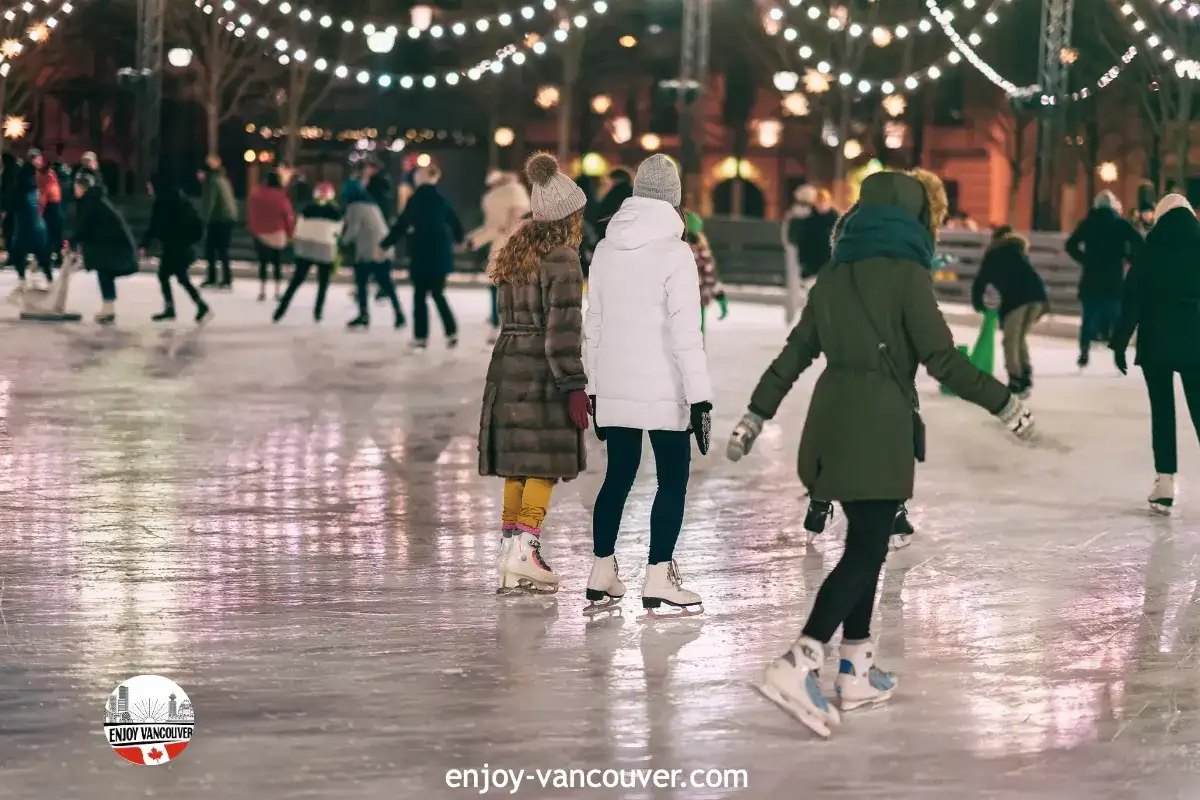
Try Outdoor Ice Skating
Seasonal outdoor skating can be a fun winter activity for couples, families, and groups of friends.
Popular options include The Shipyards Skate Plaza in North Vancouver and other seasonal rinks, depending on the year’s operating schedules.
Confirm admission, equipment rental availability, and opening hours directly with the rink before visiting.
Plan a Snowy Mountain Day
For visitors who want a more traditional Canadian winter experience, a mountain excursion can provide opportunities for skiing, snowboarding, or snowshoeing.
Choose an activity suited to your experience and physical ability. Mountain access and snow conditions can change, and some activities require reservations, appropriate equipment, or professional guidance.
Suggested Three-Day Vancouver Winter Itinerary
If you’re visiting Vancouver for the first time, a three-day itinerary can balance outdoor sightseeing with indoor activities and leave room for changing weather.
| Day | Morning | Afternoon | Evening |
|---|---|---|---|
| Day 1: Downtown and Waterfront | Explore downtown and the waterfront | Visit Stanley Park if conditions permit | Dinner or a seasonal evening attraction |
| Day 2: Culture and Neighbourhoods | Visit Granville Island | Explore indoor attractions or galleries | Enjoy a café, restaurant, or neighbourhood walk |
| Day 3: North Shore or Mountains | Travel to North Vancouver | Choose a mountain activity or waterfront alternative | Return downtown or enjoy a relaxed dinner |
This itinerary is deliberately flexible. If heavy rain affects your outdoor plans, move indoor activities forward and save scenic walks for a clearer period.
For a mountain day, allow sufficient travel time and check transportation and operating conditions in advance.
Is Vancouver Expensive to Visit in Winter?
The cost of visiting Vancouver depends on accommodation, travel dates, dining preferences, and the activities you choose.
Some winter dates may offer more accommodation flexibility than peak summer periods. However, Christmas, New Year’s, major events, and popular mountain weekends can still be busy and expensive.
Visitors can manage their budgets by using public transportation, comparing hotel prices, choosing free outdoor attractions, and mixing paid activities with lower-cost sightseeing.
Rather than relying on a fixed daily budget, compare current accommodation rates and activity prices for your specific travel dates.
Is Vancouver Worth Visiting in Winter?
Vancouver can be an excellent winter destination, especially for travellers who enjoy city experiences, coastal scenery, food, culture, and access to mountain recreation.
However, it may not be the best choice for someone expecting guaranteed snow-covered streets or consistently sunny sightseeing weather.
Reasons to Visit Vancouver in Winter
- Milder temperatures than many other Canadian destinations
- Access to both city attractions and nearby snowy mountains
- Festive events and Christmas lights during the holiday season
- Indoor cultural attractions for rainy days
- Waterfront scenery and evergreen parks throughout the season
Things to Consider Before Booking
- Frequent rain and cloudy conditions
- Short daylight hours, especially in December
- Occasional snow and ice disruptions
- Variable mountain weather and winter road requirements
- Higher demand around certain holidays and events
For many travellers, the best approach is to embrace Vancouver’s coastal winter character rather than expecting the weather to resemble other Canadian cities.
Frequently Asked Questions About Vancouver in Winter
How cold does Vancouver get in winter?
Vancouver is relatively mild in winter. Typical city temperatures are often around 0°C to 8°C, although freezing weather and colder spells can occur. Mountain areas are significantly colder.
Does it snow in Vancouver in December?
Snow is possible in December, but rain is more common at sea level. Visitors should not count on snow-covered streets during a December trip.
What is the rainiest winter month in Vancouver?
December is typically among the wettest months, along with November. Rainfall varies from year to year, so travellers should check the forecast for their actual dates.
What should I wear in Vancouver in January?
Wear a waterproof jacket, warm layers, comfortable waterproof shoes, and accessories such as gloves or a hat when needed. Pack warmer equipment if you plan to visit the mountains.
Do I need snow boots in Vancouver?
For ordinary city sightseeing, comfortable waterproof walking shoes are usually sufficient. Snow boots may be useful during snowy conditions or for suitable mountain activities.
Is December a good time to visit Vancouver?
December is a good option for Christmas markets, seasonal lights, and festive experiences. However, expect frequent rain and limited daylight.
Is January or February better for visiting Vancouver?
January may appeal to travellers seeking a quieter post-holiday atmosphere, while February offers gradually longer days. Both months can be suitable for city sightseeing and winter sports, depending on conditions.
Can you visit Vancouver in winter without a car?
Yes. Many urban attractions are accessible using SkyTrain, buses, SeaBus, and walking. Mountain trips may require additional transportation planning.
Can you ski near Vancouver in winter?
Yes. Several mountain destinations near Vancouver offer winter sports when snow and operating conditions allow. Check official resort information before making plans.
How many days should you spend in Vancouver during winter?
Three to four days can provide a useful introduction to Vancouver’s neighbourhoods, waterfront, indoor attractions, and a possible North Shore excursion. Allow additional time for Whistler or multiple mountain activities.
Final Thoughts: Planning Your Vancouver Winter Visit
Vancouver in winter is best experienced with realistic weather expectations and a flexible itinerary.
Pack waterproof clothing, dress in layers, and plan for rain rather than guaranteed city snowfall. Use daylight for scenic outdoor activities, keep indoor alternatives available, and check mountain-specific conditions if you want to experience snow.
Whether you’re visiting for Christmas lights, coastal scenery, winter sports, or a relaxed city break, Vancouver offers a distinctive combination of mild urban weather and nearby mountain landscapes.
Before departure, check the Destination Vancouver climate guide, local weather forecasts, and transportation updates to make the most of your trip.