
 By Elina
 Best Places to See Fall Colours in Vancouver: Autumn Guide 2026
Vancouver may be famous for its evergreen forests, ocean views and mountain scenery, but fall brings a completely different side of the city to life.
From mid-September into early November, pockets of yellow, orange, red and gold begin appearing across Vancouver’s parks, gardens, waterfront paths and tree-lined neighbourhoods. The contrast between colourful deciduous trees and the city’s deep green conifers makes autumn one of the most photogenic times of year to explore Vancouver.
You don’t need to travel far outside the city to experience it either. Some of Vancouver’s best-known parks become fall photography destinations, while quieter neighbourhood streets can be just as beautiful.
Whether you’re planning an autumn trip to Vancouver, looking for a weekend walk or searching for seasonal photography locations, here are some of the best places to see fall colours in Vancouver.
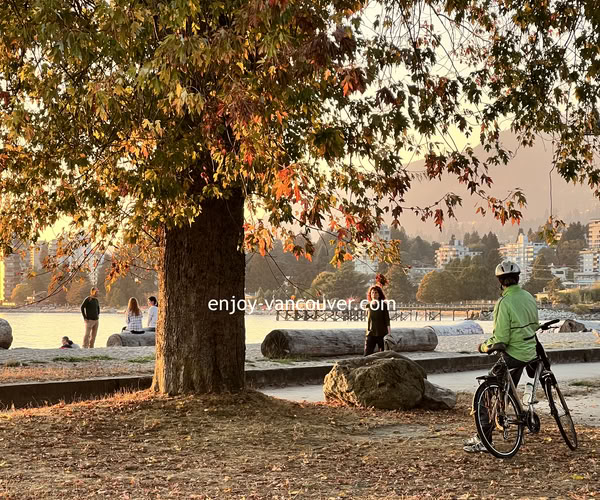
🍁 When Can You See Fall Colours in Vancouver?
Vancouver’s fall colour season generally begins in mid-September and continues into early November, but the appearance of individual locations can vary from year to year.
September usually marks the beginning of the transition. You may see individual trees changing colour while much of the surrounding landscape remains green.
October typically offers the most opportunities to experience classic autumn scenery, with more yellow, orange and red appearing across parks and neighbourhood streets.
By early November, many leaves have started to fall, but colourful pockets can still remain around the city.
Weather conditions also affect the experience. A bright autumn afternoon can make yellow and red foliage appear especially vivid, while cloudy or misty weather creates a softer and more atmospheric look.
If fall photography is the main reason for your visit, checking recent local photos before heading out is a good idea because the colours can change quickly.
🌲 1. Stanley Park
Stanley Park is one of Vancouver’s most recognizable destinations in every season, but autumn adds splashes of gold, orange and red to its predominantly evergreen landscape.
One of the best ways to experience the park in fall is simply to walk. The seawall provides a combination of changing leaves, ocean scenery, city views and the North Shore Mountains, while the interior paths offer a quieter forest atmosphere.
For fall colours specifically, areas around Lost Lagoon and the Vancouver Rowing Club are worth exploring. The mixture of deciduous and evergreen trees creates the kind of contrast that makes Vancouver’s autumn scenery distinctive.
The park also works particularly well for photography because you can capture several different types of scenery during one visit: colourful trees, reflections on the water, forest paths and waterfront views.
If you have enough time, combine a fall walk through Stanley Park with the West End and English Bay, where additional tree-lined streets and waterfront scenery continue the autumn atmosphere.
🌳 2. Queen Elizabeth Park
Queen Elizabeth Park is another excellent place to experience fall colours without leaving Vancouver.
The park sits at one of the highest points in the city, combining landscaped gardens and mature trees with panoramic views toward downtown Vancouver and the North Shore Mountains.
In autumn, the contrast between deciduous trees turning red and gold and the surrounding green conifers adds another layer to the park’s scenery.
Walk through the landscaped areas and arboretum rather than visiting only the main viewpoint. Different parts of the park can change colour at different times, so exploring the pathways gives you a better chance of finding strong fall scenery.
The elevated viewpoint is also useful for wider photographs. Instead of focusing only on individual trees, you can include colourful foliage in the foreground with Vancouver and the mountains in the distance.
If you’re already planning to visit Queen Elizabeth Park, autumn is one of the most visually interesting times to return.
🍂 3. VanDusen Botanical Garden
If your priority is seeing a wide variety of trees and seasonal colours in one place, VanDusen Botanical Garden deserves a spot near the top of your fall itinerary.
The garden contains an extensive collection of plants from around the world, which means autumn does not appear in just one colour or one type of tree.
Ginkgo trees are particularly eye-catching when their leaves turn brilliant yellow, while other deciduous species add shades of orange, red and bronze.
The garden’s ponds, paths and landscaped areas also make it especially suitable for photography. On calm days, autumn foliage reflected in the water can create some of the strongest seasonal images.
Unlike Vancouver’s free public parks, VanDusen is a ticketed attraction, so check current admission information and opening hours before visiting.
For fall 2026, the garden also hosts Harvest Days on selected dates, adding seasonal activities to the autumn experience.
🍁 4. UBC & Nitobe Memorial Garden
The University of British Columbia is another excellent destination for a fall walk.
The broad, tree-lined campus provides a different autumn experience from Vancouver’s forest parks. Main Mall is particularly attractive as mature trees change from green into warmer shades of gold, brown and red.
For a more intimate experience, consider visiting Nitobe Memorial Garden. The Japanese garden was designed with seasonal change in mind, and its Japanese maples become particularly striking in fall.
The combination of colourful maples, moss, water and carefully designed garden elements makes Nitobe especially appealing to photographers.
UBC Botanical Garden is another option if you want to turn the trip into a longer garden-focused day.
Because some UBC attractions require admission, check current hours and ticket information before travelling specifically to visit them.
🌊 5. Trout Lake
Trout Lake offers one of the best combinations of water and fall foliage in East Vancouver.
The park contains several types of deciduous trees, so the surrounding landscape can develop a mix of yellow, orange and red as autumn progresses.
A walk around the lake is an easy way to enjoy the season. On a calm day, the changing trees can reflect in the water, making this location particularly attractive for photography.
Unlike some of Vancouver’s major tourist attractions, Trout Lake also feels distinctly local. It is a good choice if you want a quieter fall walk away from the busiest downtown sightseeing areas.
You can also combine the park with nearby Commercial Drive for coffee, food or further neighbourhood exploration.
🌅 6. Kitsilano & Kits Point
Fall colours in Vancouver aren’t limited to botanical gardens and large forest parks.
Kitsilano’s leafy residential streets are beautiful to explore in autumn, and the neighbourhood makes it easy to combine colourful foliage with waterfront scenery.
Kits Point is a particularly good area for a relaxed walk. Hadden Park, nearby streets and the route toward Kitsilano Beach provide opportunities to photograph autumn trees with the city, mountains or water in the background.
This is a good choice if you want your fall outing to include more than foliage. You can walk along the waterfront, stop at a café and explore the neighbourhood rather than travelling to a single attraction and leaving immediately afterwards.
Late afternoon can be especially attractive as warmer sunlight works well with yellow and orange foliage.
🏘️ 7. Vancouver’s Tree-Lined Streets
Some of Vancouver’s best fall scenes aren’t famous attractions at all.
Residential streets across the city can become tunnels of yellow, orange and red as mature street trees change colour. These locations are particularly useful for photographers who want an urban autumn image rather than a traditional park landscape.
The West End, Kitsilano and parts of East Vancouver can all provide beautiful seasonal street scenes.
The experience also changes from block to block. One street may still be mostly green while another nearby is already covered in fallen leaves.
This makes neighbourhood walking one of the easiest ways to discover Vancouver in fall. Instead of travelling only between famous locations, leave some time to explore the streets around them.
Look for quiet sidewalks, rows of mature trees, colourful leaves around heritage homes and streets where the foliage creates a natural frame around the road.
📸 Best Time for Fall Photography in Vancouver
There is no single perfect day for fall photography across the entire city because different trees and neighbourhoods change at different times.
Instead, think of Vancouver’s fall colour season as a progression. Early in the season, look for individual red and yellow trees against green surroundings. As October develops, larger sections of parks and neighbourhoods begin to change.
Sunny mornings and late afternoons usually provide warmer light, which can make autumn colours appear richer. Overcast conditions can also work well, especially for close-up foliage and forest photography because harsh shadows are reduced.
After rain, fallen leaves often become more saturated in colour, although paths may be slippery and the weather less predictable.
If you’re photographing reflections at locations such as Trout Lake or garden ponds, calm conditions can be more important than bright sunshine.
🚶 A Simple Fall Day in Vancouver
If you only have one day to experience Vancouver’s autumn colours, you don’t need to visit every location in this guide.
Start the morning at Queen Elizabeth Park or VanDusen Botanical Garden, where you can spend time walking among landscaped gardens and colourful trees.
Later, travel toward downtown and explore Stanley Park. Walk around Lost Lagoon or part of the seawall rather than trying to complete every trail in the park.
Finish the afternoon around the West End or English Bay. This gives you a mix of gardens, park scenery, neighbourhood streets and waterfront views without spending the entire day travelling between locations.
If you prefer quieter neighbourhoods, replace downtown with Trout Lake or Kitsilano and build the day around walking, photography and local cafés.
☔ What to Wear in Vancouver in Fall
Vancouver’s fall weather can change quickly, so layers are more useful than dressing for a single condition.
A comfortable walking outfit, light waterproof outer layer and shoes suitable for wet paths will cover many autumn days.
An umbrella can also be useful, particularly later in the season when rainy weather becomes more common.
If you’re planning to spend several hours outside, bring an extra layer. Temperatures can feel noticeably cooler near the water or after sunset.
For photography, a small lens cloth is useful on damp days, and a lightweight waterproof cover can help protect camera equipment during unexpected showers.
💡 Tips for Seeing Vancouver’s Fall Colours
- Don’t wait for one exact “peak” date: different parts of Vancouver change at different times.
- Check recent photos: current local images can give you a better idea of conditions before visiting.
- Explore beyond famous parks: residential streets can have some of the city’s strongest autumn colours.
- Visit more than once: the same park can look completely different two weeks later.
- Bring rain protection: autumn weather in Vancouver can change during the day.
- Use public transit when possible: many of the locations in this guide can be reached without a car.
- Respect residential areas: photograph neighbourhood streets without blocking driveways or entering private property.
ℹ️ Vancouver Fall Colours: Quick Guide
| Location | Best For |
|---|---|
| Stanley Park | Forest, waterfront & fall walks |
| Queen Elizabeth Park | Fall foliage & city views |
| VanDusen Botanical Garden | Variety of trees & photography |
| UBC & Nitobe Garden | Campus walks & Japanese maples |
| Trout Lake | Reflections & quiet walks |
| Kitsilano | Neighbourhood foliage & waterfront |
| Vancouver Streets | Urban fall photography |
🔗 More Vancouver Guides
Planning more Vancouver adventures? Continue exploring with these Enjoy Vancouver guides:
- Queen Elizabeth Park Vancouver Complete Travel Guide
- Best Things to Do in Vancouver
- Best Streets to Explore in Vancouver
- David Lam Park Vancouver Guide
- Capilano Suspension Bridge Vancouver Guide
- West Vancouver in Winter
❓ Frequently Asked Questions
When do fall colours start in Vancouver?
Fall colours can begin appearing around Vancouver from mid-September, with more widespread autumn foliage developing as the season progresses. Colour can continue into early November depending on the location, tree species and weather conditions.
What is the best month for fall colours in Vancouver?
October is generally the most useful month to plan a fall-colour outing because many parts of the city are transitioning during this period. However, there is no single peak date that applies to every Vancouver park and neighbourhood.
Where are the best fall colours in Vancouver?
Stanley Park, Queen Elizabeth Park, VanDusen Botanical Garden, UBC, Nitobe Memorial Garden, Trout Lake and Kitsilano are all strong options. Tree-lined residential streets throughout Vancouver can also provide excellent autumn scenery.
Is Stanley Park good for fall colours?
Yes. Stanley Park remains predominantly green because of its many evergreen trees, but deciduous trees add yellow, orange and red throughout the landscape. Areas around Lost Lagoon and the seawall near the Vancouver Rowing Club are particularly worth exploring.
Is VanDusen Botanical Garden worth visiting in fall?
Yes. VanDusen contains a diverse collection of trees and plants, making it one of Vancouver’s most interesting destinations for autumn colour. Its paths, ponds and changing deciduous trees also provide excellent photography opportunities.
Where can I photograph fall colours in Vancouver?
For wide landscapes, try Queen Elizabeth Park or Stanley Park. For reflections, consider Trout Lake or garden ponds. For urban photography, explore tree-lined streets in neighbourhoods such as Kitsilano and the West End.
Do I need a car to see fall colours in Vancouver?
No. Many popular fall destinations, including Stanley Park, Queen Elizabeth Park, VanDusen Botanical Garden and UBC, can be reached by public transit. Several locations can also be combined with walking routes.
Does it rain a lot in Vancouver during fall?
Rain becomes an increasingly important part of Vancouver’s autumn weather, so visitors should be prepared for changing conditions. A waterproof outer layer, comfortable shoes and an umbrella can make outdoor sightseeing easier.
✅ Final Thoughts
Fall is one of the best seasons for slowing down and exploring Vancouver on foot.
You don’t need to leave the city to find autumn scenery. Stanley Park combines changing leaves with forest and ocean views, Queen Elizabeth Park adds gardens and elevated city views, VanDusen offers a diverse collection of colourful trees, and neighbourhoods such as Kitsilano provide a more local autumn experience.
Some of the most memorable scenes may also appear unexpectedly: a quiet residential street covered in fallen leaves, a red maple beside a sidewalk or yellow trees reflected in a neighbourhood lake.
Because Vancouver’s fall colours develop gradually, the experience changes throughout the season. Visit in late September and you may find the first signs of autumn. Return in October and the same location can look completely different.
Bring comfortable shoes, prepare for changing weather and keep your camera ready. Vancouver’s autumn colours are often found as much in the journey between destinations as at the destinations themselves.